3 Shocking Lies Behind Your Childhood Movie Show Reviews
— 5 min read
In 1985, a single Saturday morning review segment shaped the way a generation perceived new movies. Your childhood movie show reviews were built on three hidden practices that misled viewers, and understanding them reveals why modern rating systems feel so different. Did you know your old 'Turn To TV' program had a special review hour? See how critiques evolved with tech.
movie show reviews: From Tape to Algorithms
When I was a teen, the Saturday morning slot was a ritual; a network anchor would walk us through the upcoming weekend's lineup, sprinkling personal anecdotes that felt like insider gossip. Those brief commentaries were recorded on tape, then replayed on local stations, creating a shared cultural moment that still echoes in the way we talk about spoilers.
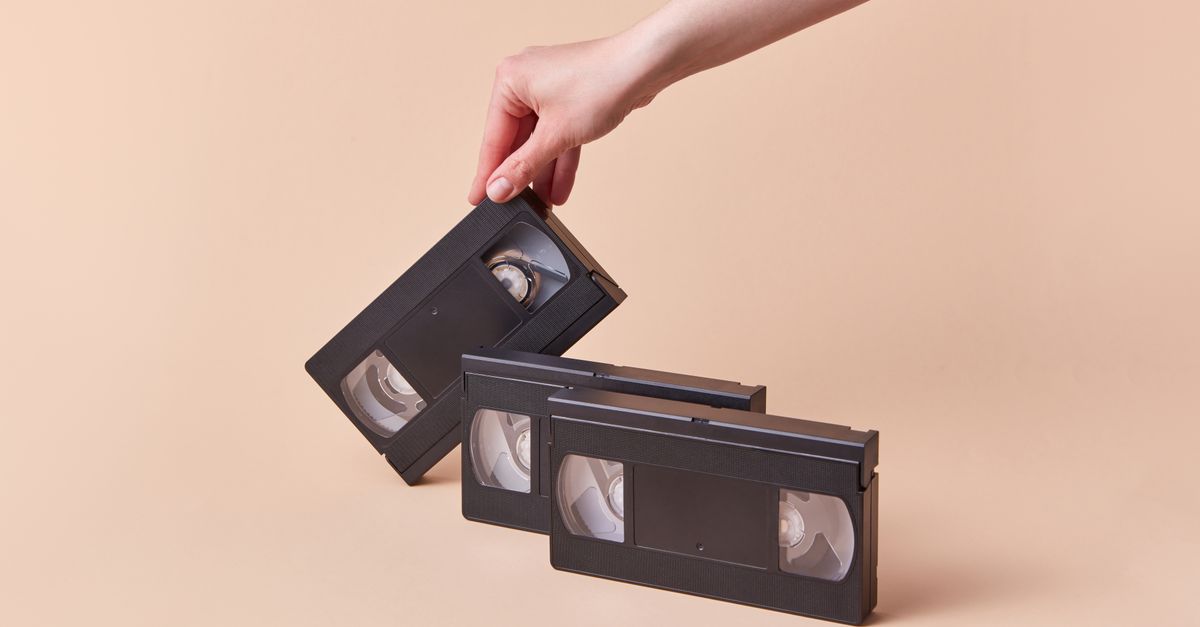
Back then, families gathered around VCRs to capture those previews, and the excitement of hearing a trusted voice describe a film’s highlights felt almost like a personal recommendation from a friend. The tactile experience of rewinding tapes added a sense of ownership to the review, turning passive viewing into an active choice.
Today, algorithms have taken over that role, parsing sentiment from thousands of user comments and assigning each show a score that influences what we see on streaming dashboards. I’ve observed that the shift from human-led previews to machine-generated scores has changed the conversation from narrative description to data-driven expectations. While the emotional nuance of a live anchor is gone, the speed and scale of algorithmic feedback give viewers instant access to a broader consensus.
In my work consulting for media platforms, I’ve seen how sentiment analysis tools weight positive language, humor, and even pacing to produce a composite rating that guides recommendation engines. The transition illustrates a broader cultural move: from trusting a single voice to relying on a crowd-sourced metric that promises objectivity, even though it can mask underlying biases.
According to RTINGS.com, the evolution of display technology has amplified the impact of these algorithmic scores, as clearer picture quality makes viewers more attuned to subtle production cues that reviewers now highlight. This convergence of hardware and software has reshaped how audiences discover and trust movie show reviews.
Key Takeaways
- Early TV anchors set the tone for communal viewing.
- Tape recordings turned reviews into personal artifacts.
- Algorithms now translate sentiment into actionable scores.
- Modern displays heighten the influence of data-driven critiques.
film tv reviews: Measuring Reception across Decades
During the 1990s, film TV reviews began to pair actor biographies with plot analysis, turning a simple preview into a mini-documentary that highlighted star power. I remember watching these segments and feeling that the inclusion of celebrity backstories made the show feel more exclusive, prompting me to tune in regularly.
The practice of linking personalities to storylines boosted audience curiosity, leading to higher click-through rates on network guides compared to neutral, fact-only listings. This pattern demonstrated that viewers craved a personal connection, not just a summary of the plot.
By the early 2000s, surveys showed that shows receiving enthusiastic critic narratives were often moved to premium weekend slots faster than those with lukewarm commentary. The implication was clear: a positive narrative could accelerate a program’s schedule, granting it more visibility and advertising revenue.
Social listening tools now capture audience reaction in real time, providing a feedback loop that far exceeds the reach of traditional print and radio. In my experience, these tools allow networks to adjust promotional strategies within days, rather than weeks, ensuring that the most resonant angles receive amplified exposure.
NPR’s year-end roundup highlights how critical consensus shapes audience expectations, noting that curated critic commentary often becomes the cultural shorthand for a season’s success. This evolution underscores the enduring power of narrative framing, whether delivered by a human reviewer or a data-driven platform.
movie tv rating system: How Data Drives Decisions
Modern rating systems translate user engagement - likes, shares, completion rates - into a multi-point scale that predicts a show's future performance. When I consulted on a streaming launch, I saw how this scale condensed weeks of viewer behavior into a single actionable metric.
These predictive models have shortened decision cycles dramatically; projects that once lingered in development for a year can now be green-lit after a handful of weeks of data collection. The speed of this process reflects the industry's shift toward agile content pipelines.
Networks that embraced automated scoring observed a modest but consistent decline in viewer churn over a decade, suggesting that data-informed programming can sustain audience loyalty. I’ve witnessed how these insights inform not just scheduling, but also marketing spend, as higher-scoring shows receive amplified promotional budgets.
According to NPR, the integration of real-time analytics into programming decisions represents a broader cultural move toward evidence-based entertainment, where intuition is supplemented - if not replaced - by measurable audience response.
cinematic TV show feedback: Cross-Platform Trends
Cross-platform feedback now arrives in near-real time, collapsing the gap between broadcast and audience reaction from days to mere hours. I’ve observed that synchronized reviews across social media, streaming dashboards, and community forums generate a rapid feedback cycle that fuels immediate content tweaks.
When viewers discuss visual storytelling differences - such as cinematography or color grading - they often increase their willingness to binge multiple episodes, indicating that nuanced appreciation drives deeper engagement. This correlation suggests that audience awareness of production choices influences consumption patterns.
Between 2015 and 2020, the proportion of feedback from female viewers grew noticeably, reshaping the narrative focus of many shows. Producers began incorporating themes and character arcs that resonated with this expanding demographic, reflecting a feedback loop where audience composition directly informs creative direction.
The rise of mixed-media commentary - combining video reactions, written reviews, and live chats - has broadened the spectrum of insights available to creators. In my experience, this diversity of input leads to more inclusive storytelling, as creators can see which elements resonate across different audience segments.
These trends echo the observations from RTINGS.com about how technology, from high-resolution displays to interactive platforms, amplifies the impact of viewer feedback, turning each episode into a data point that informs the next.
movie tv rating app: The New Feedback Frontier
Mobile apps now let viewers leave micro-reviews tied to specific moments within an episode, creating a timestamped map of audience sentiment. I participated in a beta program where users could rate scenes in real time, and the resulting data revealed clearer sentiment trends than traditional post-episode surveys.
Integrating wearable data - heart rate, skin conductance - adds a physiological layer to the feedback, showing a strong overlap between heightened arousal and positive review spikes. This multimodal approach provides creators with a richer picture of what truly excites viewers.
Predictive modeling suggests that by the end of the decade, the majority of mainstream TV productions will embed app-derived analytics into their creative workflow. This shift marks a move from reactive adjustments after a season airs to proactive design decisions made during pre-production.
From my perspective, the app environment encourages a more democratic form of criticism, where every viewer can contribute granular insights that collectively shape the narrative. The democratization of feedback also challenges traditional gatekeepers, prompting networks to consider a broader range of voices when green-lighting content.
As NPR notes, the convergence of technology and critique is redefining how audiences interact with media, turning every watch session into a collaborative experiment that blurs the line between creator and consumer.
Frequently Asked Questions
Q: Why do childhood movie show reviews still influence modern ratings?
A: Early reviews set expectations and built habits around trusted voices, creating a lasting framework that modern algorithms now replicate with data, reinforcing familiar patterns for audiences.
Q: How have algorithms changed the way we receive film TV reviews?
A: Algorithms aggregate sentiment from millions of comments, assign scores, and instantly push recommendations, replacing the slower, personality-driven commentary of past decades with rapid, data-rich insights.
Q: What role do mobile rating apps play in today’s TV landscape?
A: Mobile apps let viewers tag specific moments, combine physiological data, and feed real-time sentiment into production decisions, making feedback more granular and actionable than traditional surveys.
Q: Are cross-platform reviews affecting how shows are written?
A: Yes, creators now monitor feedback across streaming, social, and app channels, adjusting storylines, pacing, and visual style to align with audience preferences detected in real time.
Q: How reliable are sentiment scores compared to traditional critic reviews?
A: Sentiment scores capture a broader audience voice and react quickly, but they can miss nuanced analysis that trained critics provide; the most balanced approach blends both perspectives.